
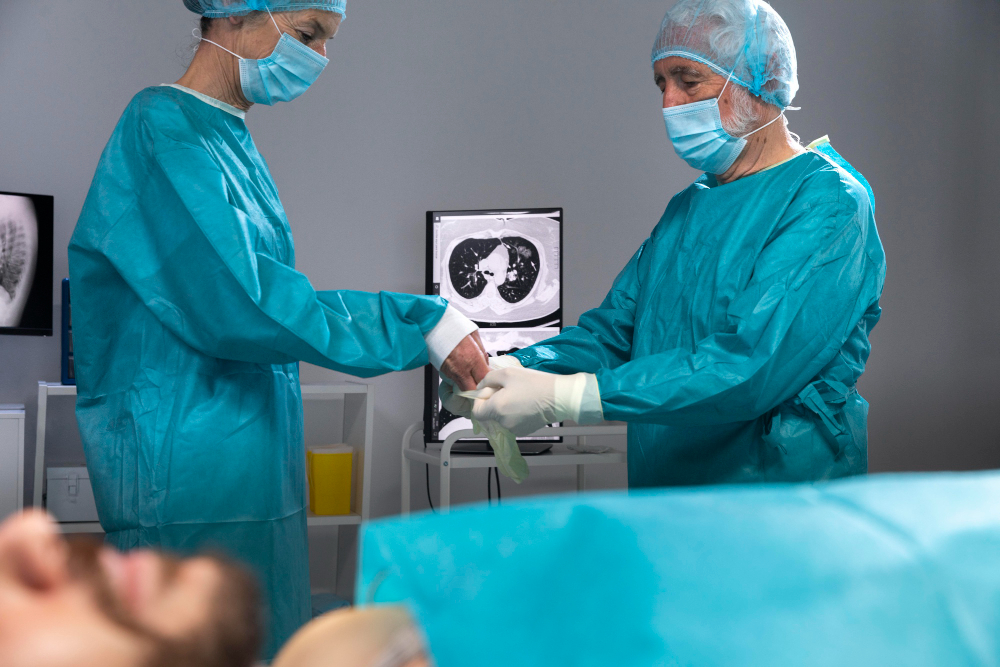
Introduction to TPVR
Transcatheter Pulmonary Valve Replacement, or TPVR, is a modern heart procedure. Doctors use TPVR to fix a damaged pulmonary valve without open-heart surgery. This minimally invasive heart valve replacement is important in cardiology. It helps people with certain heart problems live better lives. TPVR is safer and often easier to recover from than traditional surgery. Because of this, more patients and doctors are choosing TPVR for heart valve issues.
What is TPVR?
TPVR stands for Transcatheter Pulmonary Valve Replacement. In this procedure, doctors use a thin tube called a catheter. They guide the catheter through a blood vessel to the heart. Then, they place a new valve inside the old, damaged pulmonary valve. This new valve helps blood flow from the heart to the lungs. Unlike open-heart surgery, TPVR does not require large cuts. As a result, patients often heal faster and have fewer risks.
Symptoms Indicating the Need for TPVR
Some people may need TPVR if their pulmonary valve is not working well. Often, symptoms appear slowly. However, they can get worse over time. Watch for these signs:
If you notice these symptoms, talk to your doctor. Early care can prevent serious problems.
Causes and Risk Factors Leading to TPVR
Many people who need TPVR have had heart surgery as children. Sometimes, the original valve repair does not last a lifetime. Over time, the valve may leak or become narrow. Other causes include:
Risk factors for needing TPVR include age, past heart surgeries, and certain infections. However, not everyone with these risks will need TPVR.
How TPVR is Diagnosed
Doctors use several tests to decide if TPVR is right for you. First, they will ask about your symptoms and medical history. Next, they may order these tests:
With these tests, your doctor can see if TPVR is the best option for you.
Treatment Process: What to Expect During and After TPVR
Before the TPVR procedure, you will meet with your heart team. They will explain the steps and answer your questions. During TPVR, doctors use a catheter to place the new valve. Most patients are awake but relaxed with medicine. The procedure usually takes one to two hours.
After TPVR, you will stay in the hospital for a short time. Nurses will watch your heart and help you recover. Most people go home within a few days. Because TPVR is minimally invasive, recovery is often quick. However, you should follow your doctor’s instructions closely.
Lifestyle Guidance and Recovery Tips After TPVR
After TPVR, you can return to many normal activities. However, you should take steps to protect your heart. Here are some tips:
With good care, most people feel better and have more energy after TPVR.
Prevention and Long-Term Outlook for TPVR Patients
While you cannot always prevent valve problems, you can lower your risks. For example, regular check-ups help catch problems early. Good dental care can prevent infections that might harm your heart valve. Also, living a healthy lifestyle supports your heart.
Most patients do well after TPVR. The new valve can last many years. However, you will need regular heart check-ups. If you notice new symptoms, contact your doctor right away. With proper care, you can enjoy a full and active life.
Consult a cardiologist for personalized advice about TPVR.